Activity Overview: DIY Density Towers
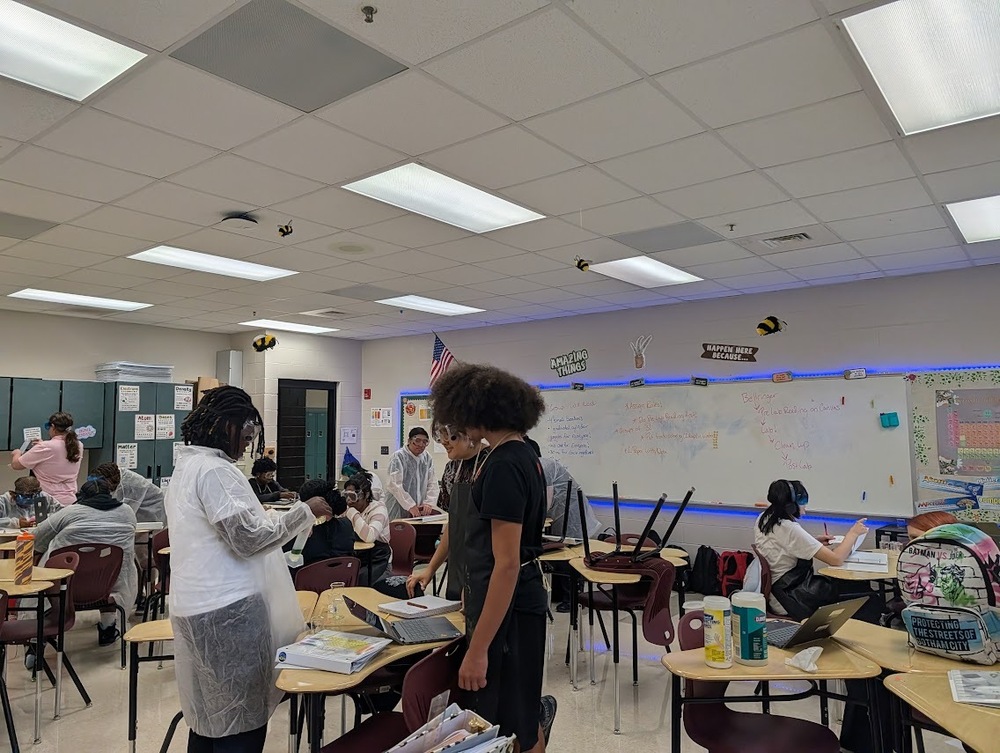
My students recently took part in an engaging, hands-on chemistry activity focused on exploring the concept of density—the measure of how much mass is packed into a given volume.
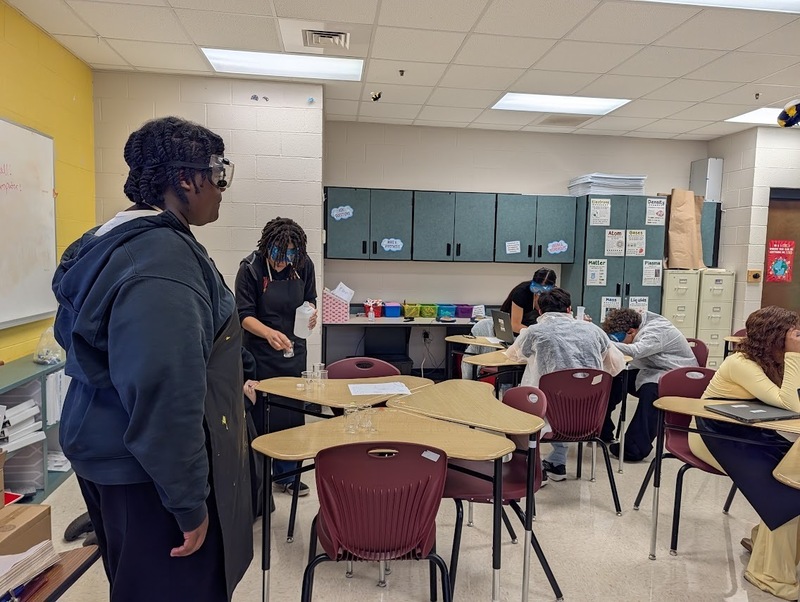
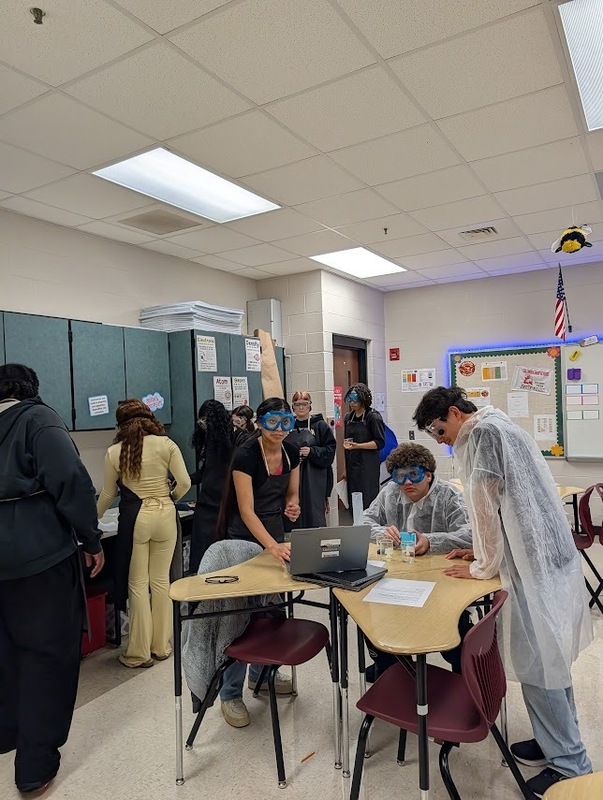
Instead of relying on specialized laboratory equipment, the primary goal of this lesson was to showcase practical, real-world chemistry that my students can easily duplicate at home. Using common, low-cost household liquids, my students predicted, observed, and manipulated chemical properties using items they recognize from daily life.
What My Students Did:
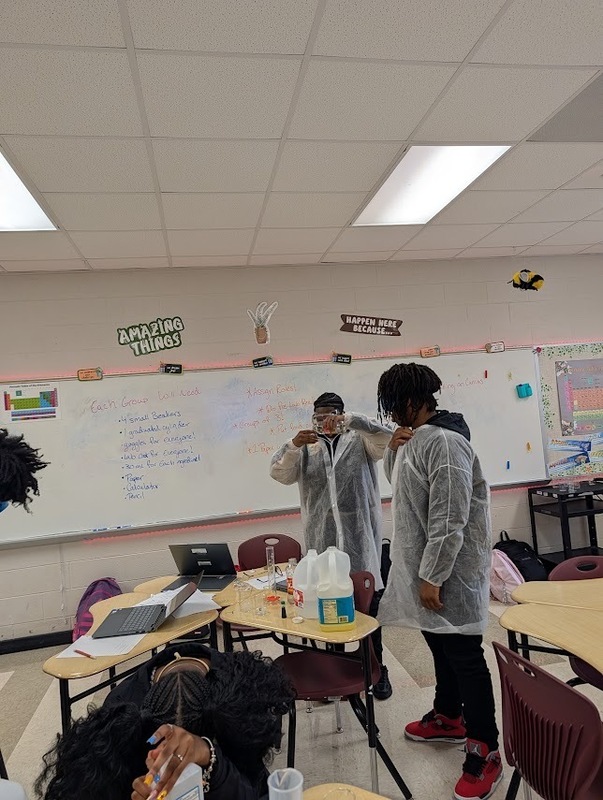
Formulated Hypotheses: My students analyzed four everyday liquids—pancake/corn syrup, water, vegetable oil, and rubbing alcohol—and predicted which would be the "heaviest" (most dense) and "lightest" (least dense).
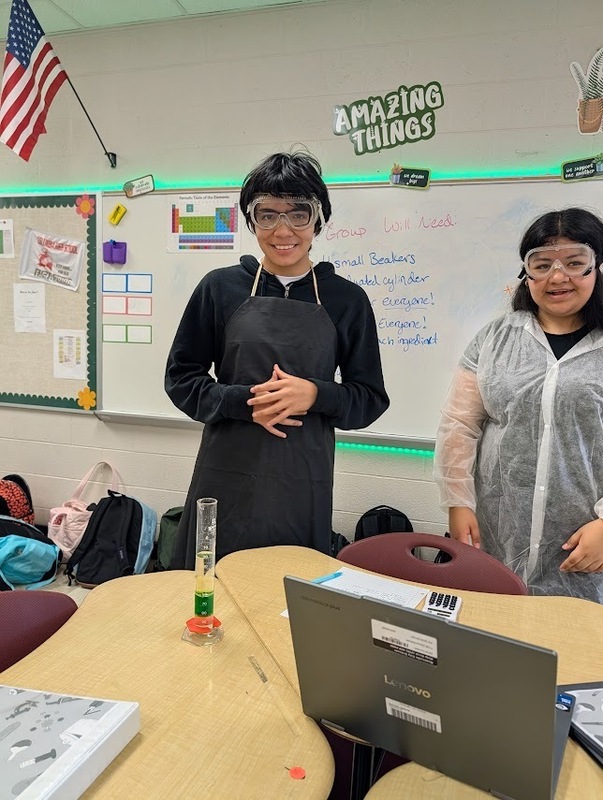
Layered the Liquids: Working carefully with pipettes and gradual pouring techniques, my students stacked the liquids on top of one another in clear containers.
Observed Immiscibility & Buoyancy: They observed how liquids of different densities naturally separate into distinct, colorful layers without mixing—demonstrating immiscibility and fluid mechanics in action.
Tested Object Buoyancy: My students dropped small household items into their towers to see which layer each object floated on, further reinforcing how density affects buoyancy.
Why It Matters / The Takeaway: This experiment directly bridges classroom learning with everyday life. By using ingredients found in almost any kitchen cabinet, my students learned that science isn't confined to a professional lab—it is happening all around us. I am encouraging my students to take these experiments home and share the science with their families!
Submitted by: Allison Davide, Chemistry Teacher